
Why You Feel Stuck Even After Doing Everything Right

Few feelings are as frustrating as doing “all the right things” and still feeling stuck. You’ve worked on yourself. You’ve reflected, healed, learned, grown. You’ve read the books, attended the sessions, practiced awareness. On paper, everything looks aligned.
And yet inside, something feels paused.
You’re not in crisis.
You’re not unhappy.
But you’re not moving either.
This quiet stagnation confuses people because it doesn’t fit the usual narratives of struggle or failure. It often comes after progress, not before it. This exact phase appears frequently in the work of Varshha Sangal, whose consciousness-based approach at varshasangal.com focuses on what happens after growth—when effort stops working and integration becomes essential.
Why “Doing Everything Right” Can Create Its Own Block

Most people associate being stuck with laziness, fear, or resistance. But when you’ve genuinely put in effort, the cause is often the opposite.
You’ve optimized.
You’ve adjusted.
You’ve corrected.
At some point, the system becomes over-managed.
When growth becomes a task, the nervous system stays alert. Even healing turns into performance. The system never fully settles because it’s constantly checking: Am I doing this right?
This state looks productive—but it prevents movement.
The Difference Between Effort and Integration
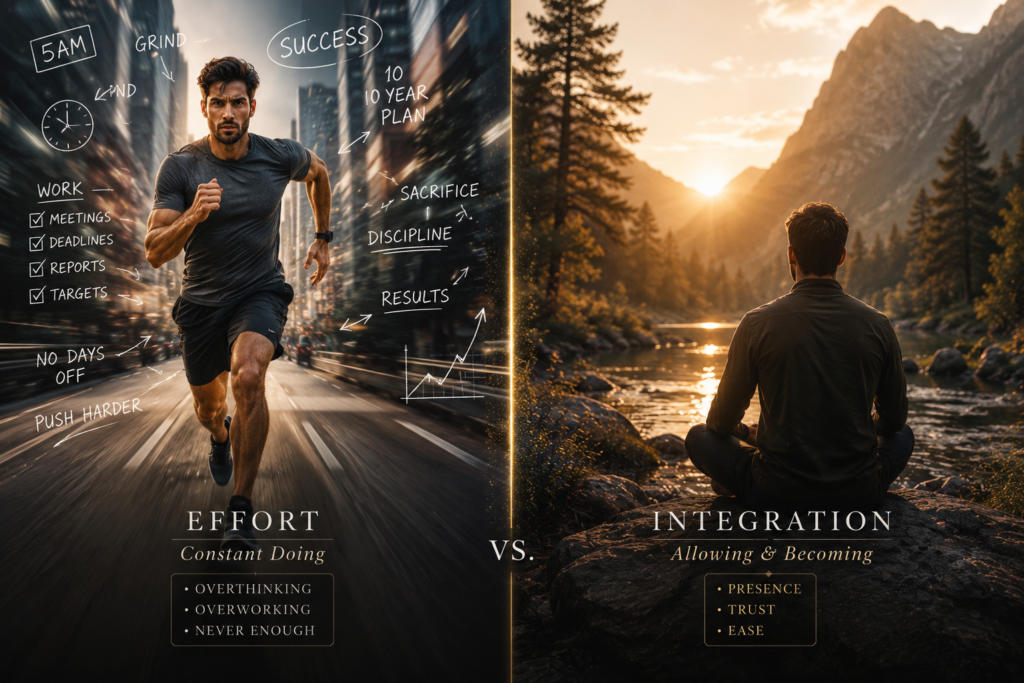
Effort creates change.
Integration allows change to land.
Many people keep applying effort long after it’s needed. They keep pushing insight into a system that’s already full. What’s missing is not action—it’s space.
Integration happens when:
- The nervous system slows down
- Awareness stops monitoring itself
- The body absorbs change
- New patterns stabilize
Without integration, growth plateaus.
Why Stuckness Often Appears After Progress

Feeling stuck is often a sign that one phase has ended, but the next hasn’t begun yet.
This in-between phase feels uncomfortable because:
- Old patterns no longer work
- New ones haven’t formed
- Identity feels unclear
- Direction feels muted
This is not failure.
It’s transition without instruction.
Varshha Sangal often explains that this phase cannot be rushed. It asks for trust, not strategy.
The Nervous System Needs Permission to Pause

Many people fear stillness because in the past, stillness meant danger—neglect, uncertainty, or loss of control. So even when life is safe, the nervous system avoids pausing.
This creates:
- Restlessness without desire
- Overthinking without urgency
- Planning without direction
The system is waiting for permission to stop holding everything together.
Until that permission arrives, movement feels blocked.
Why Motivation Disappears
Motivation often drops when the system no longer needs adrenaline to function.
This can feel alarming:
“Why don’t I feel driven anymore?”
But loss of old motivation doesn’t mean loss of purpose. It means the fuel source is changing.
Drive fueled by fear, proving, or survival eventually exhausts itself. A new kind of movement—quieter, more aligned—emerges only after rest.
The Trap of Constant Self-Improvement
Self-improvement can quietly turn into self-rejection.
When the underlying message becomes:
“I’m not there yet,”
the system stays in deficiency.
This keeps the nervous system in a loop of striving rather than allowing.
Healing reaches completion not when you fix more—but when you stop needing to fix yourself.
Why Insight Alone Stops Working
Many people reach a point where they understand everything—but nothing changes.
This happens because insight is top-down, while stuckness is often bottom-up.
The body hasn’t updated yet.
Until the nervous system feels safe enough to move forward without monitoring, insight stays inactive.
This is why body-based, trauma-aware integration becomes essential at this stage.
What Actually Helps When You’re Stuck
Progress resumes when pressure reduces.
Helpful shifts include:
- Doing less, not more
- Allowing rest without justification
- Reducing spiritual or self-help input
- Returning to simple routines
- Letting identity loosen
These actions signal safety to the system.
Movement follows safety—not ambition.
The Role of Consciousness Work Here
At varshasangal.com, work with people in this phase focuses on:
- Nervous system settling
- Letting go of performance-based growth
- Allowing identity reorganization
- Supporting integration rather than effort
This phase does not need fixing.
It needs holding.
How You Know You’re Coming Out of It
Stuckness doesn’t end with fireworks. It ends quietly.
People notice:
- Gentle curiosity returning
- Natural impulses arising
- Less internal debate
- Subtle clarity
Action feels lighter—not forced.
That’s how you know integration has completed.
Final Reflection
Feeling stuck after doing everything right is not a setback.
It’s a sign that the old way of moving no longer fits.
When effort stops working, trust takes over.
And from that trust, a different kind of movement begins—one that doesn’t burn you out to move you forward.