
“Everything Happens for a Reason” —
Why This Spiritual Statement Can Quietly Delay Healing

By Varshha Sangal
“Everything happens for a reason” is one of the most commonly repeated spiritual statements, and also one of the least examined. It is usually said with good intentions—meant to comfort, reassure, or offer meaning during difficult times. Yet for many people, this sentence does something very different. Instead of bringing peace, it subtly shuts down inquiry. Instead of supporting healing, it encourages emotional bypassing. And instead of creating understanding, it often creates silence.
I meet many sincere people who say this sentence to themselves when something painful happens. A relationship ends badly. A loss arrives suddenly. A pattern repeats yet again. And almost immediately, they tell themselves, “Everything happens for a reason.” What they are often doing—without realising it—is ending the conversation before it begins.
How Meaning Becomes a Substitute for Understanding

The human mind prefers meaning over uncertainty. When pain is given a reason, it feels more tolerable. The idea that suffering has purpose can make it feel less random and less cruel. But meaning is not the same as understanding. Meaning can soothe the mind while leaving the emotional experience untouched.
When people accept pain as purposeful too quickly, they skip the essential step of feeling and processing what actually happened. Grief is not explored. Anger is not acknowledged. Confusion is not examined. The experience is closed prematurely, wrapped neatly in spiritual language.
Healing, however, does not happen through conclusions. It happens through awareness.
Why This Phrase Is So Comforting — and So Limiting
“Everything happens for a reason” feels safe because it removes responsibility from the present moment. It suggests that the explanation exists somewhere beyond us, perhaps in fate, destiny, or divine will. While this can bring temporary relief, it also discourages curiosity.
People stop asking:
Why did this affect me so deeply?
What pattern is repeating here?
What am I learning about myself?
What needs my attention now?
Instead, they accept and move on—at least on the surface. Internally, the unresolved experience waits.
When Acceptance Turns Into Emotional Shutdown

There is a fine line between acceptance and emotional shutdown. Acceptance allows awareness. Shutdown avoids it.
Many people use this phrase to avoid feeling pain that feels overwhelming or inconvenient. They don’t want to appear bitter, negative, or unspiritual. So they “rise above” the experience without ever going through it.
Over time, this creates emotional backlog. The unprocessed experiences don’t disappear; they show up later as anxiety, numbness, repeated patterns, or unexplained fatigue. People then wonder why they feel stuck despite being “positive” and “accepting.”
Why Healing Requires More Than Belief

Belief can comfort, but healing requires engagement. Saying everything happens for a reason does not explain why the same lessons keep returning. It does not address emotional wounds. It does not complete karmic patterns.
In consciousness-based work, repetition is not punishment—it is information. Experiences repeat until they are understood, not until they are accepted silently.
When meaning replaces inquiry, repetition continues.
Bhagwan Is Not Offended by Questions
Many people hesitate to question this belief because they fear it implies doubt in Bhagwan. But questioning is not rebellion. Awareness is not disrespect.
If consciousness is intelligence, it welcomes inquiry. If Bhagwan is presence, it is not threatened by curiosity. Avoiding questions does not honour divinity; it avoids responsibility.
Bhakti does not mean ending inquiry. It means trusting yourself enough to explore truth honestly.
How This Phrase Is Often Used to Minimise Pain
This statement is not only used internally; it is often imposed on others. When someone is grieving or confused, they are told everything happens for a reason—sometimes before they have even had a chance to feel what happened.
While meant to comfort, this often leaves people feeling unseen. Their pain is rushed toward meaning instead of being met with presence. Over time, they learn to suppress emotional expression to appear spiritually “mature.”
Spiritual maturity, however, does not rush healing. It allows it.
Awareness Does Not Need a Reason to Begin
One of the most freeing shifts people experience is realising they do not need to know the reason to heal. Healing does not require a cosmic explanation. It requires honesty.
You can feel grief without knowing why it happened.
You can process anger without assigning spiritual meaning.
You can release patterns without blaming fate.
Understanding emerges naturally when awareness is allowed to unfold—without pressure to conclude.
How Conscious Healing Changes the Conversation
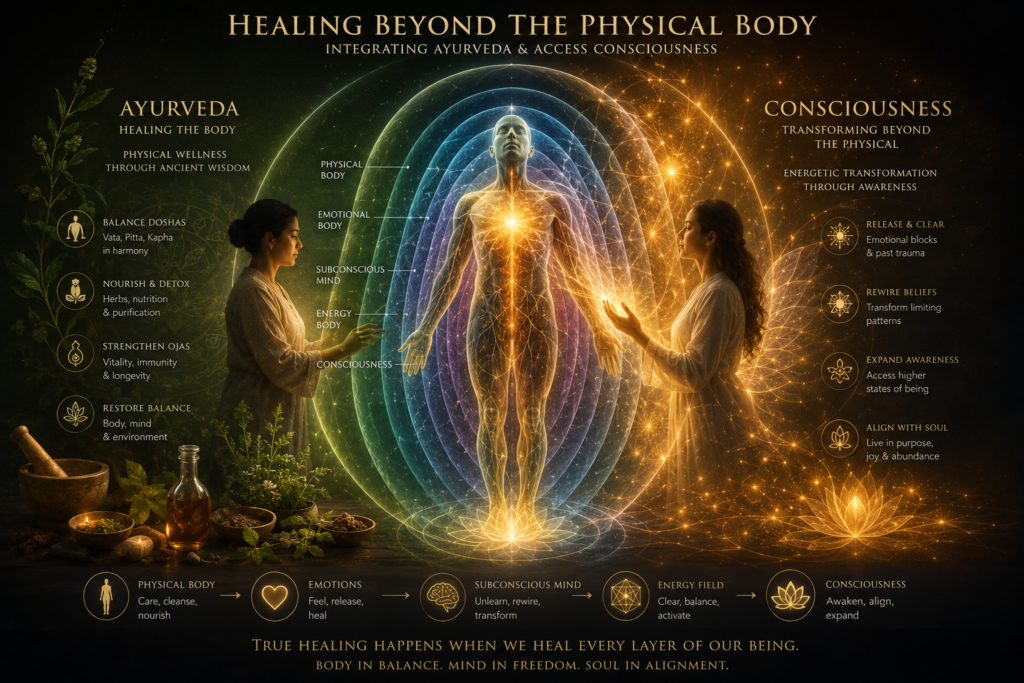
Conscious healing approaches such as Akashic awareness and Access Consciousness do not ask people to accept experiences blindly. They invite them to explore experiences gently, without judgment.
Instead of asking, “Why did this happen to me?” the inquiry shifts to, “What is this showing me?”
Instead of concluding, “This was meant to be,” the focus becomes, “What is now possible?”
This shift restores choice. And where choice exists, healing accelerates.
A More Honest Relationship With Meaning
Meaning is not the starting point of healing. It is often the result of it.
When people fully process experiences—emotionally, mentally, and energetically—meaning arises organically. It is felt, not imposed. And it does not silence emotion; it integrates it.
A Closing Reflection
If you have been using “everything happens for a reason” to survive difficult moments, honour yourself. It may have helped you cope. But if it now feels like something that keeps you stuck or emotionally distant, it may be time to soften your grip on it.
You don’t need to know the reason to heal.
You need awareness, presence, and honesty.
Bhagwan does not ask you to accept pain without understanding. Bhagwan invites you to meet experience consciously.
If this reflection resonates and you feel drawn to explore healing without rushing into conclusions, you can learn more about my work at:
Not to take meaning away from your life—
but to let it arise naturally, after healing.